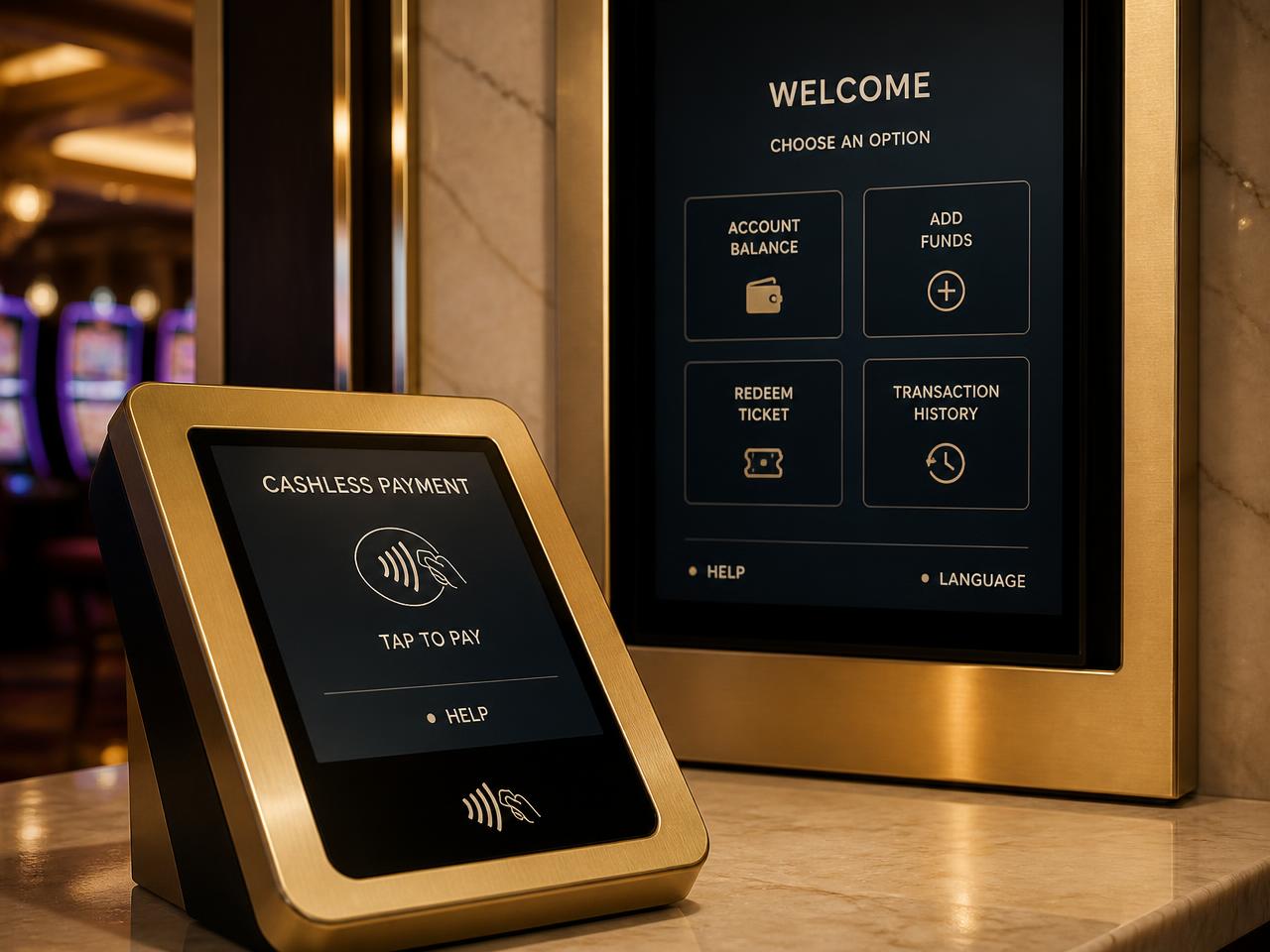
Cashless gaming has moved past the proving stage. Enrolment flows are fast, terminals are reliable, and reconciliation has largely stopped being a nightly argument between cage and finance.
What remains unresolved is behavioural. Guests enrol readily and then use the wallet inconsistently, reverting to notes at moments of hesitation - which is precisely the moment operators had hoped a digital record would help them observe.
The wallet was never the hard part. The hard part is the ninety seconds when a guest wants to stop using it.
Where the friction sits
Three friction points recur across venues: the transfer step between wallet and machine, the exit step when a guest wants funds back in a bank account, and the identity step when a session is interrupted.
None of these are technically difficult. All three are policy-heavy, and the policy varies by jurisdiction, which is why a system that works cleanly in one market can feel obstructive in another.

The responsible-play dividend
The clearest benefit is not commercial. Wallet-based play makes limit-setting practical: session budgets, cooling-off intervals and spend summaries can be enforced by the system rather than requested at the counter.
Venues that have made those tools prominent rather than buried report that a meaningful share of guests set voluntary limits at enrolment - an outcome that regulators have noticed and that increasingly features in licensing discussions.