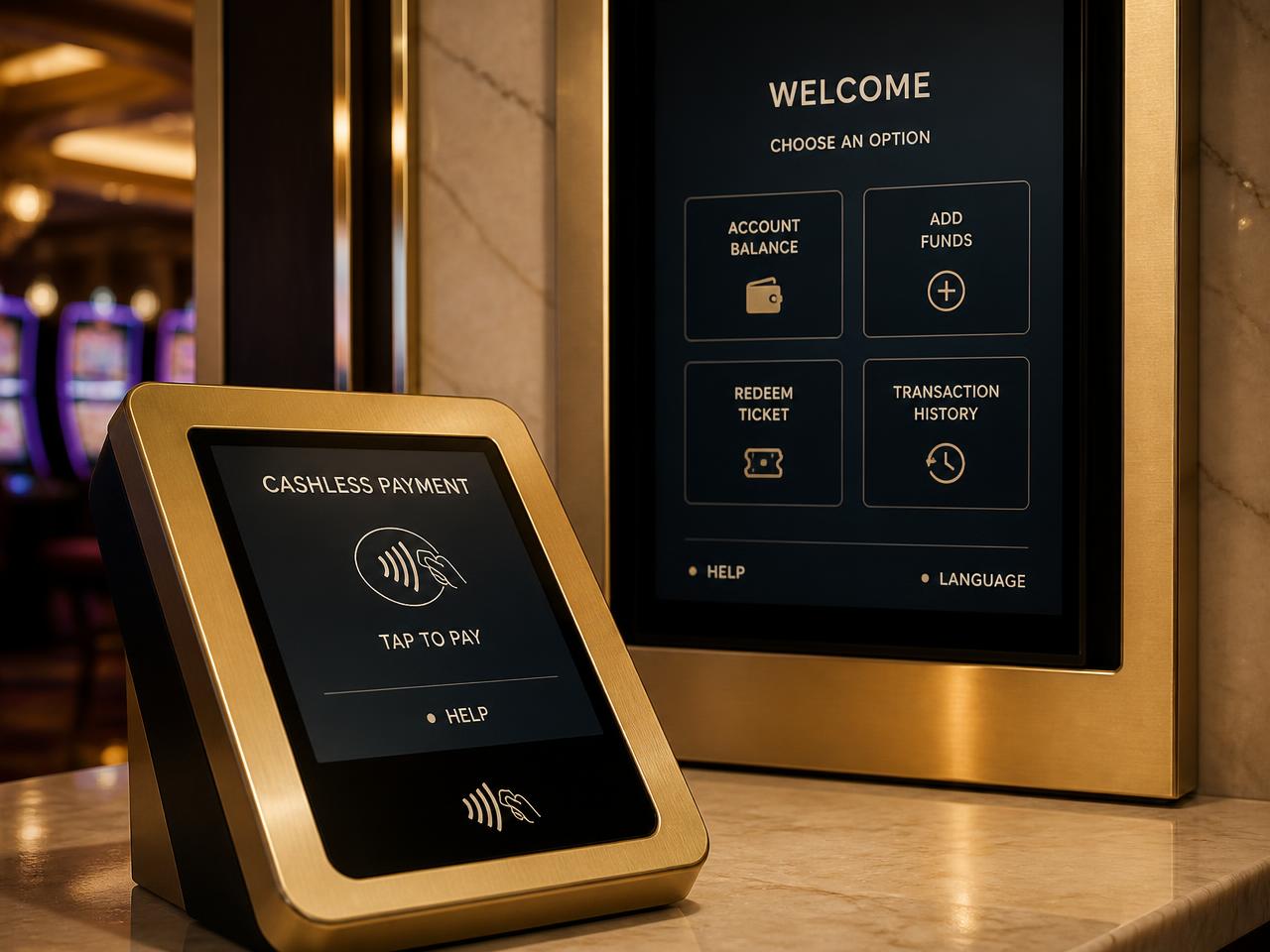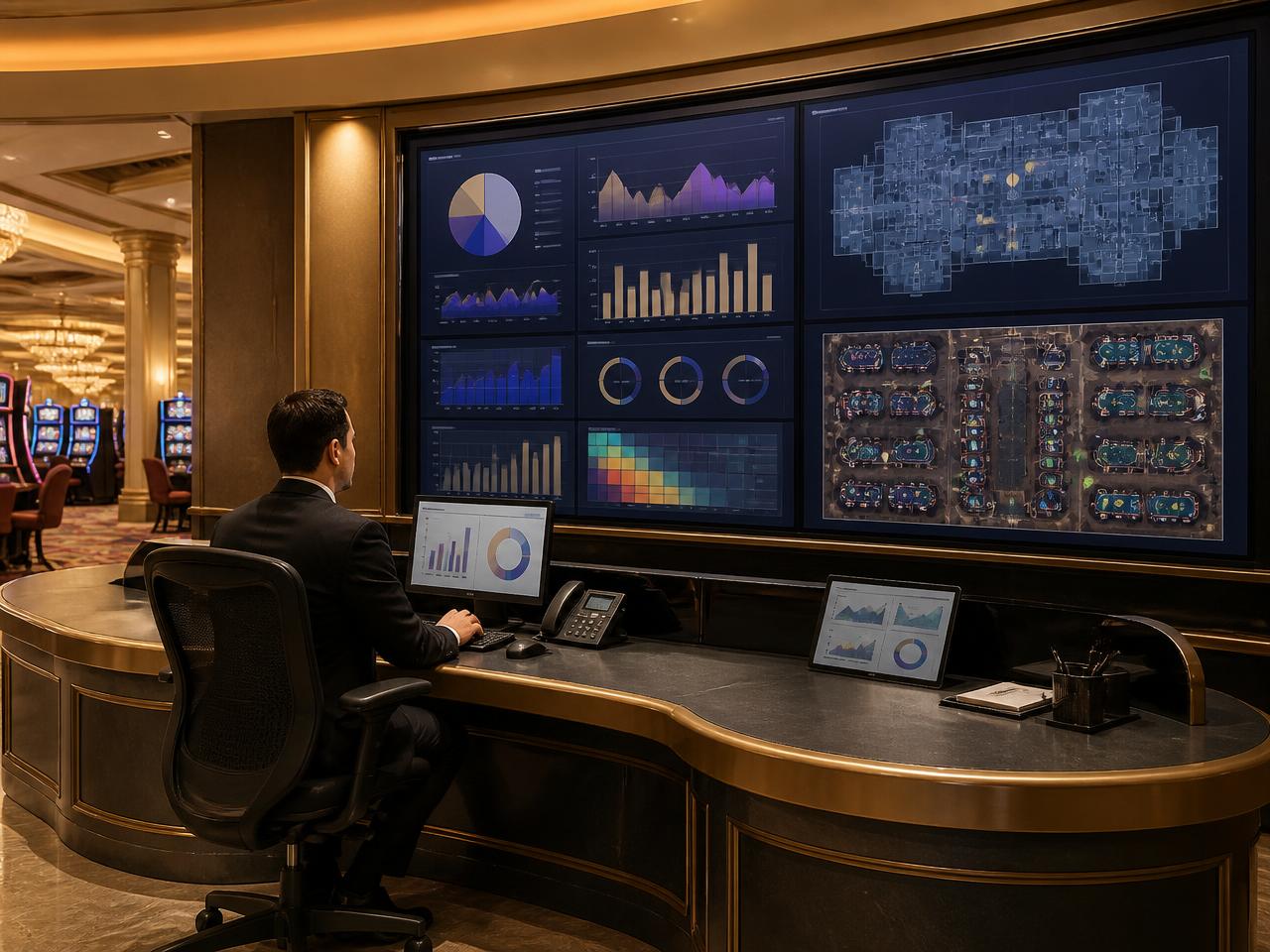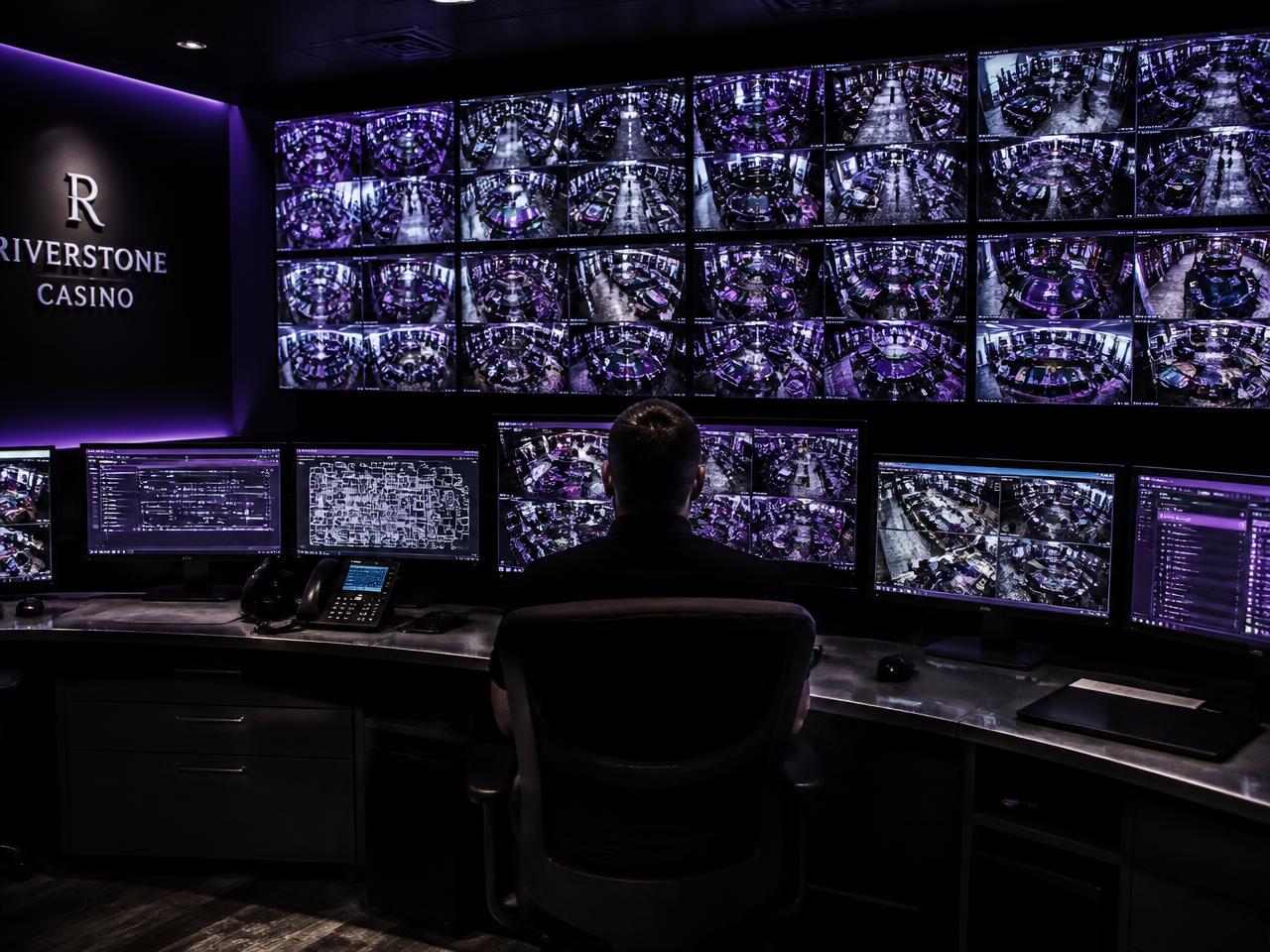
A modern gaming floor is a dense network environment: machines, terminals, cameras, digital signage, table systems and building services, frequently installed by different contractors over different decades.
Security practice has shifted from perimeter defence to segmentation, on the assumption that any one of those populations may eventually be compromised.
The question is no longer whether the floor is on the network. It is how few things on that network can talk to each other.
Procurement consequences
Tender documents now routinely require documented patch policies, support for certificate-based authentication, and a clear statement of what remote access a vendor requires and how it is brokered.
Vendor remote access has become the most scrutinised item, with time-boxed, logged and individually attributed sessions replacing shared standing credentials.
Rehearsal over reassurance
Operators are running tabletop exercises that assume the management system is unavailable during peak trade, and testing whether the floor can be run on manual procedure for a shift.
The exercises tend to expose process gaps rather than technical ones - particularly around who is authorised to make commercial decisions during an outage.