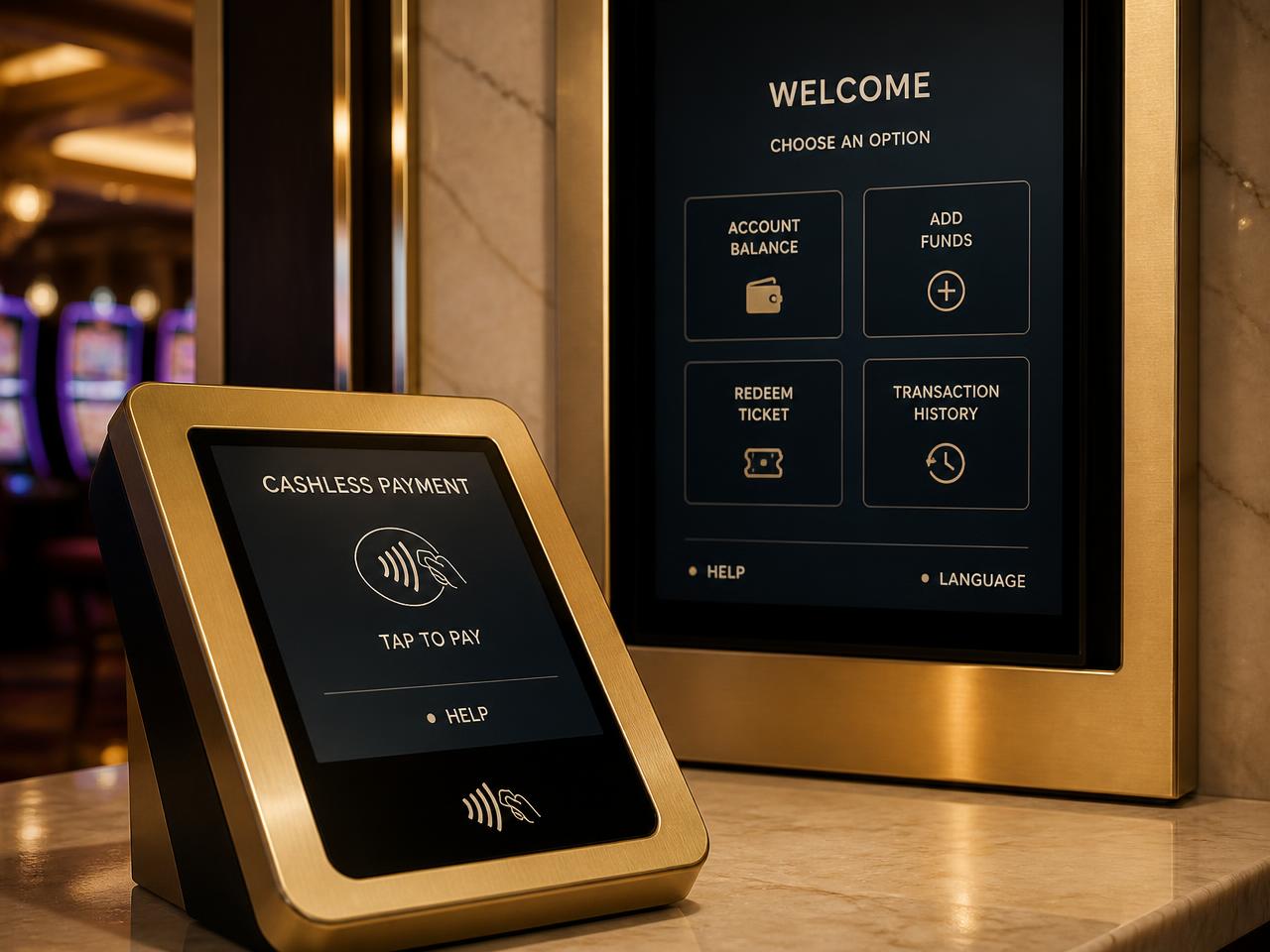
Responsible-play provision has historically lived at the edge of the gaming experience: signage, brochures, and a staffed counter. The current direction of travel puts it inside the interface.
Wallet-based systems make this practical. Deposit limits, loss limits, session duration reminders and mandatory breaks can be configured at enrolment and enforced by the platform.
A tool that requires a guest to walk to a counter is a tool most guests will never use.
Design matters
Where these tools are presented as a normal part of setup rather than as a warning, uptake is significantly higher. Where they are buried in an account menu, they are used by almost nobody.
Reminder design is contested: intrusive interruptions are resented, while easily dismissed notices are ineffective. Most systems are converging on a summary of elapsed time and net position, shown at natural breaks in play.

Enforcement and integrity
Self-exclusion enforcement is the harder engineering problem, requiring identity verification at entry and reliable propagation across venues within a scheme.
This coverage is explanatory and not legal advice. Obligations vary by jurisdiction and are changing rapidly in most markets.