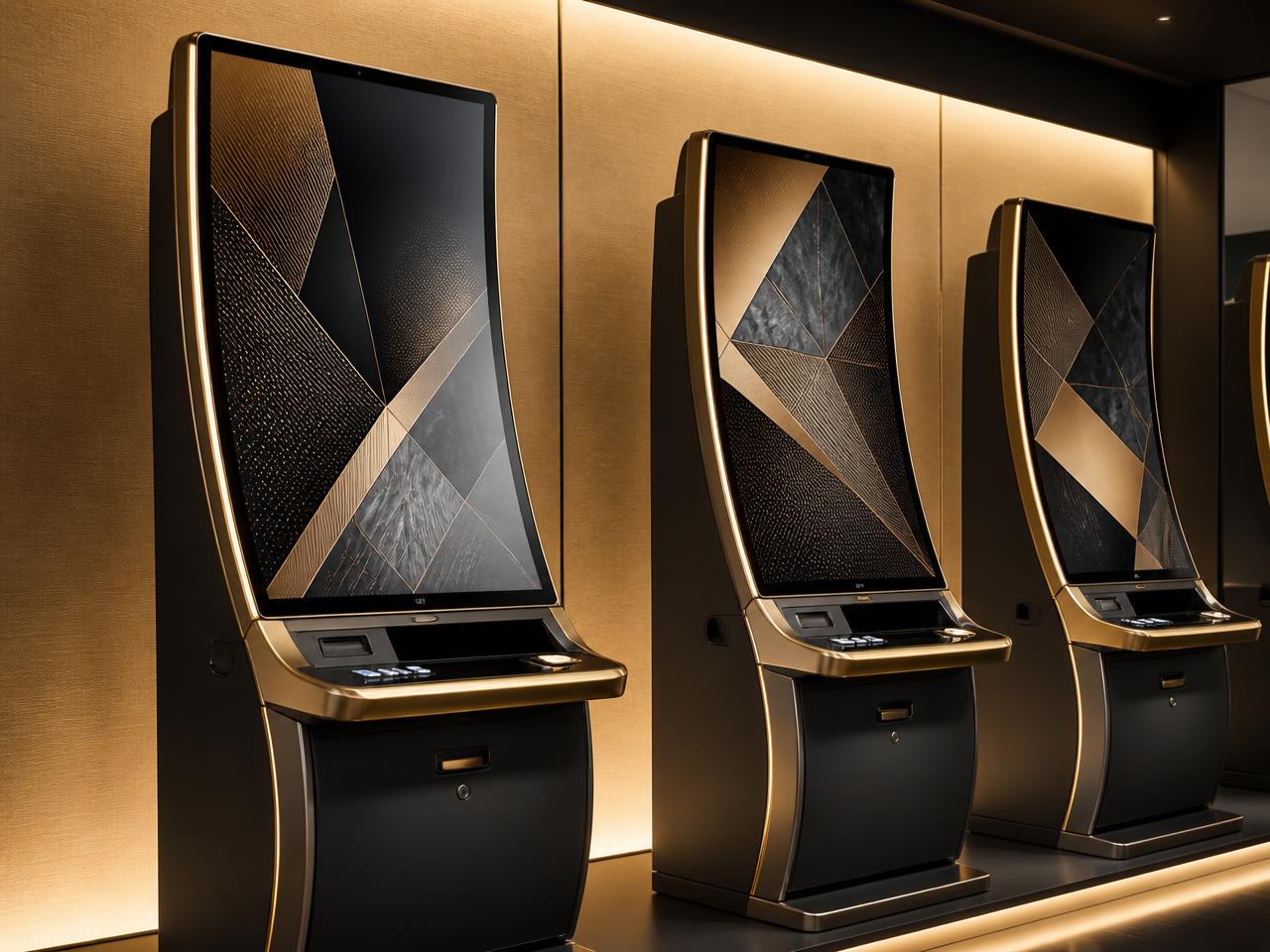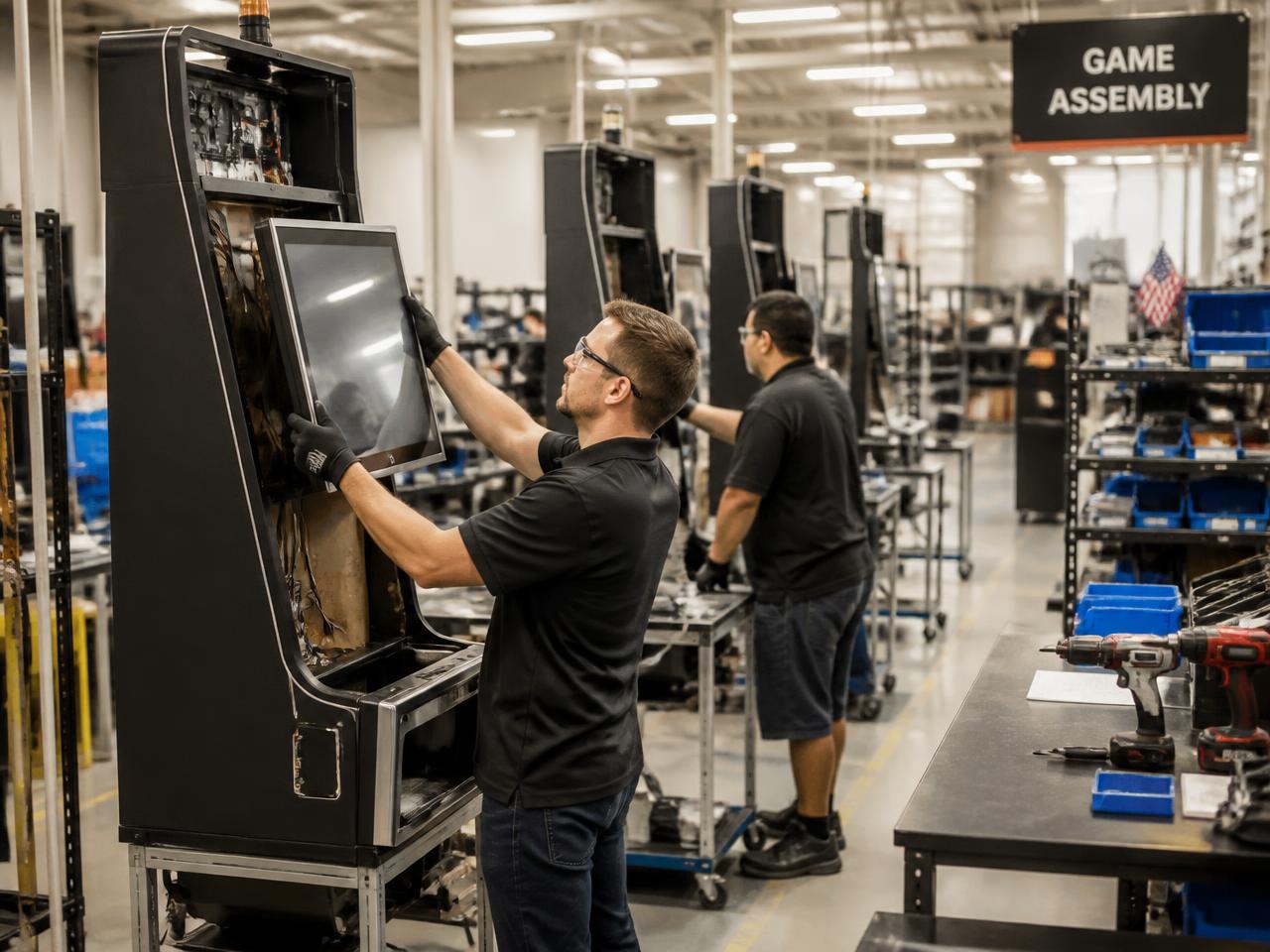
The first wave of electronic table games arrived with bright screens and unresolved ergonomics. Player interfaces were legible; dealer interfaces were not, and the resulting friction kept most installations at the periphery of the floor.
The current generation reverses that emphasis. Dealer-side screens have been simplified to a small number of states, physical confirmation controls have returned, and the sequence of a round is enforced by hardware rather than by a training memo.
Dealers, not players, decided the fate of the first generation. This generation was designed with dealers in the room.
Glass that behaves like felt
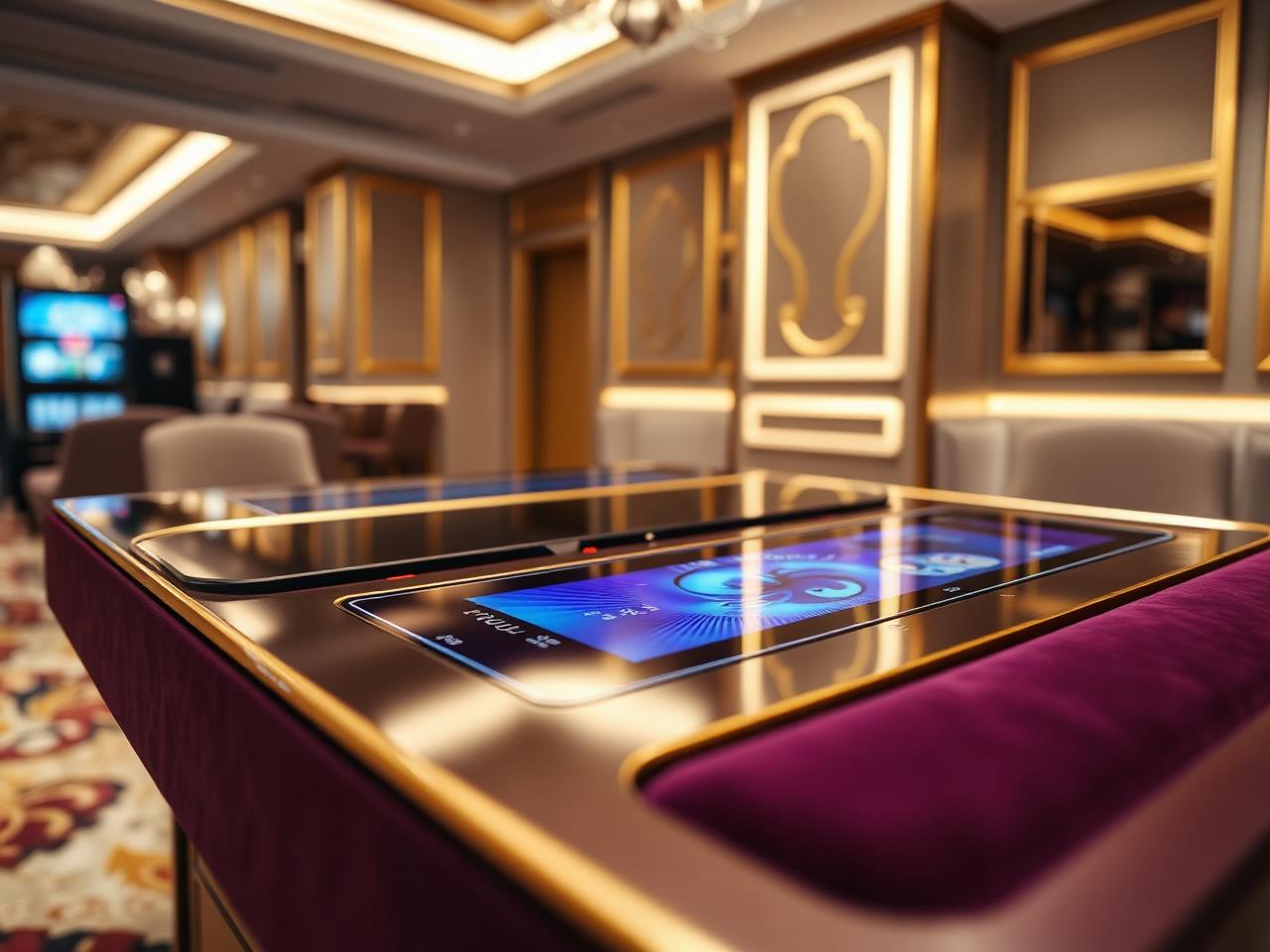
Manufacturers have spent considerable effort on the tactile problem. Anti-glare glass laminates now sit flush with a padded rail, and haptic feedback under the betting positions gives players the confirmation cue that chips used to provide.
The visual language has moved with it. Where early systems used saturated animation, current layouts favour restrained typography, deep plum and gold accents, and a resting state that reads as furniture rather than as a screen.
Operational arithmetic
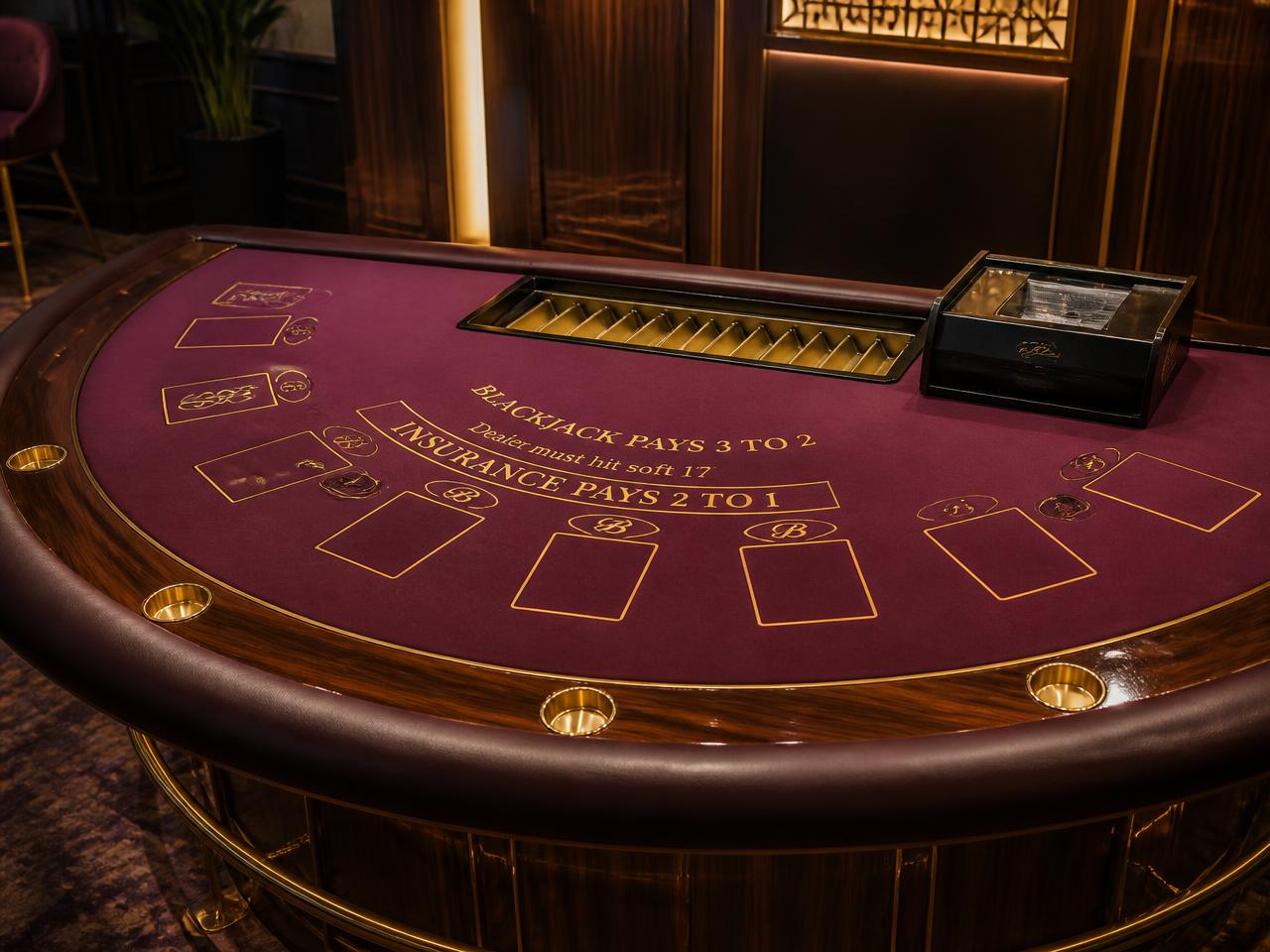
Operators evaluating these systems tend to focus on three numbers: rounds per hour, staffing ratio, and the cost of a service call. Electronic side-bet resolution removes a common source of dispute, and automated settlement compresses the slowest part of the round.
The counter-argument, still widely held, is that a fully electronic pit reduces the social texture that draws players to live tables in the first place. Most venues are landing on a mix - live dealers with electronic settlement, rather than either extreme.