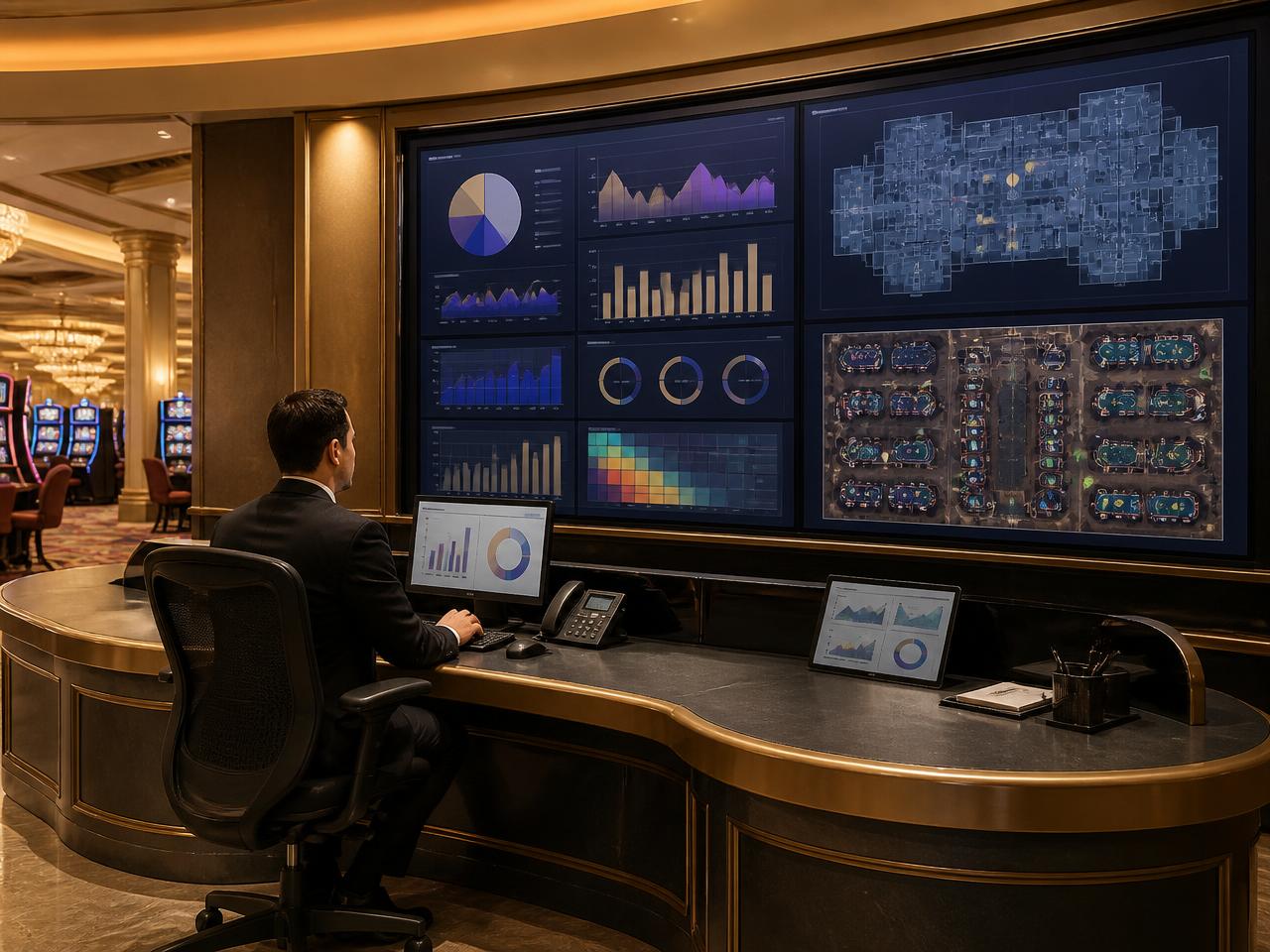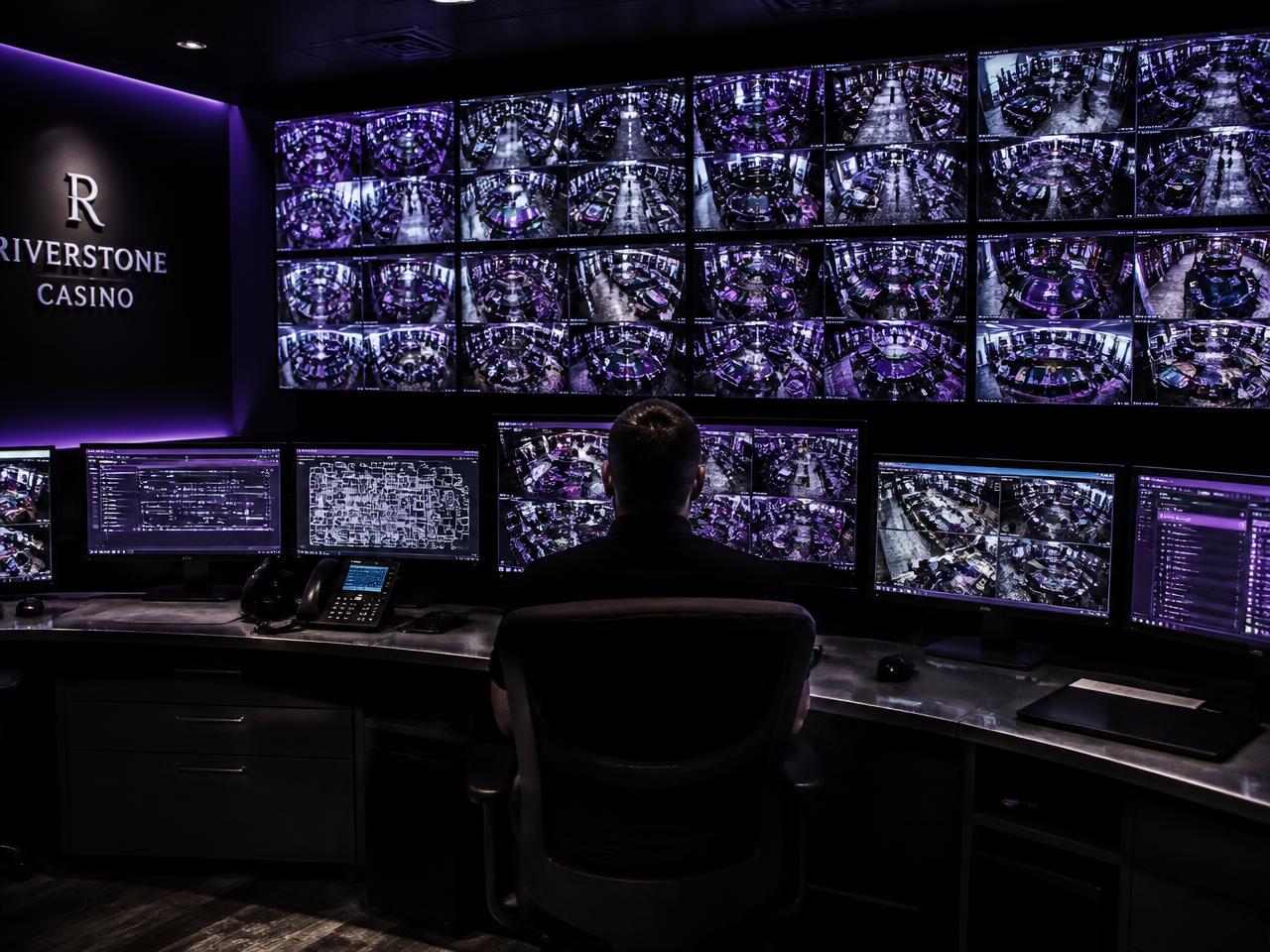
The modern surveillance suite carries two jobs that used to be one. It remains the evidentiary backbone of a licensed venue, and it has become a live analytics feed for floor operations.
That dual role has changed the room itself: more screens dedicated to aggregate views, fewer to individual cameras, and a growing expectation that surveillance staff can answer operational questions as well as compliance ones.
A model that flags forty events an hour is not a security tool. It is a second job for the operator watching it.
Where the models help
The reliable applications are unglamorous. Queue detection at cage windows, occupancy counting by precinct, and equipment fault detection - a cabinet display that has frozen, a table that has been unattended past policy.
Anomaly detection on gameplay is harder and more contested. Vendors demonstrate impressive recall on staged scenarios; operators report that precision in a busy room is the number that matters, and it is rarely the number in the brochure.
Governance keeps pace
Retention policy, access logging and the treatment of biometric-adjacent processing are now standard items in system procurement. Several markets require an explicit privacy impact assessment before analytics features can be switched on.
The practical consequence is that venues buy the camera infrastructure and license the analytics separately, keeping the option to disable a feature without replacing hardware.