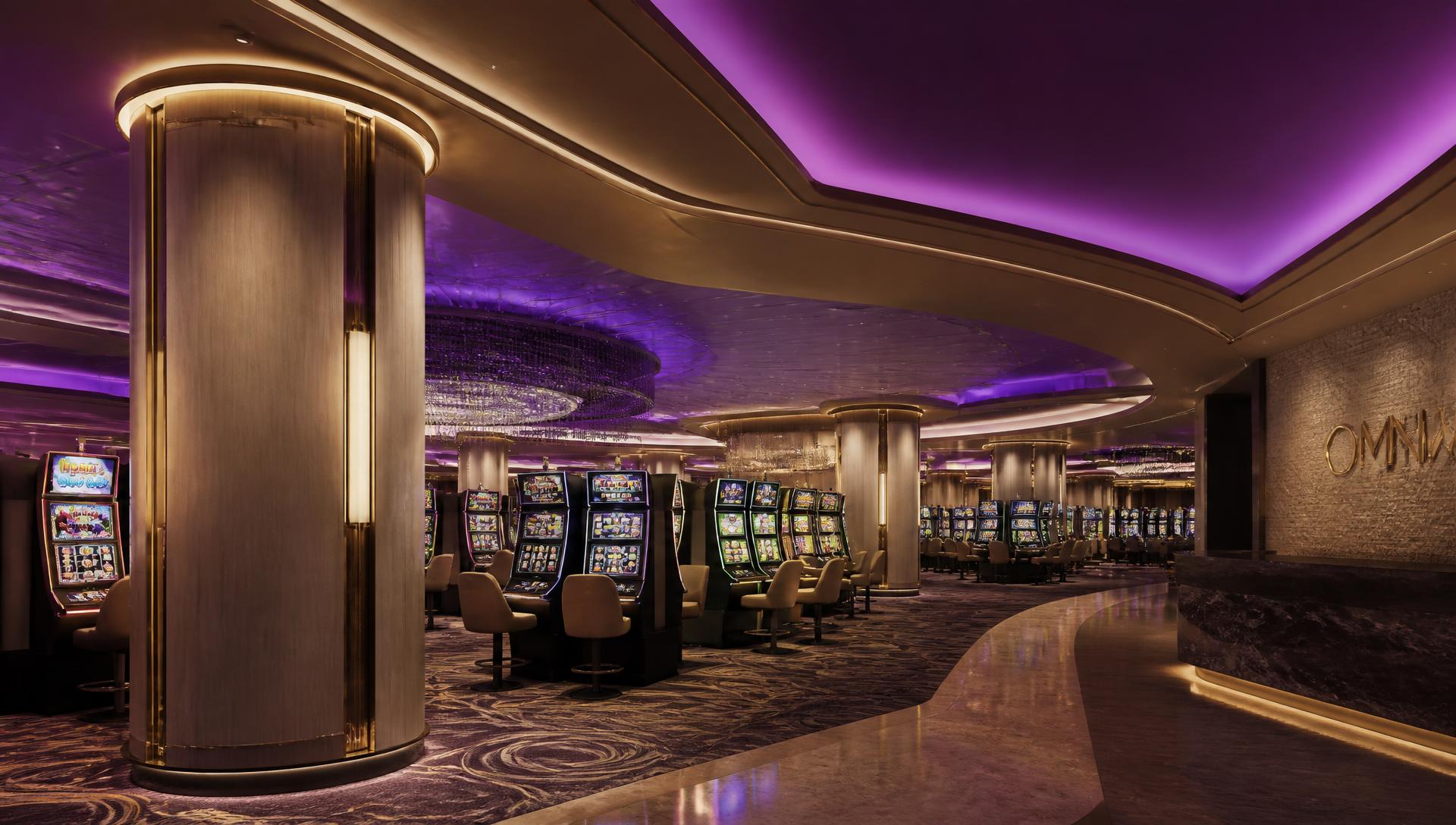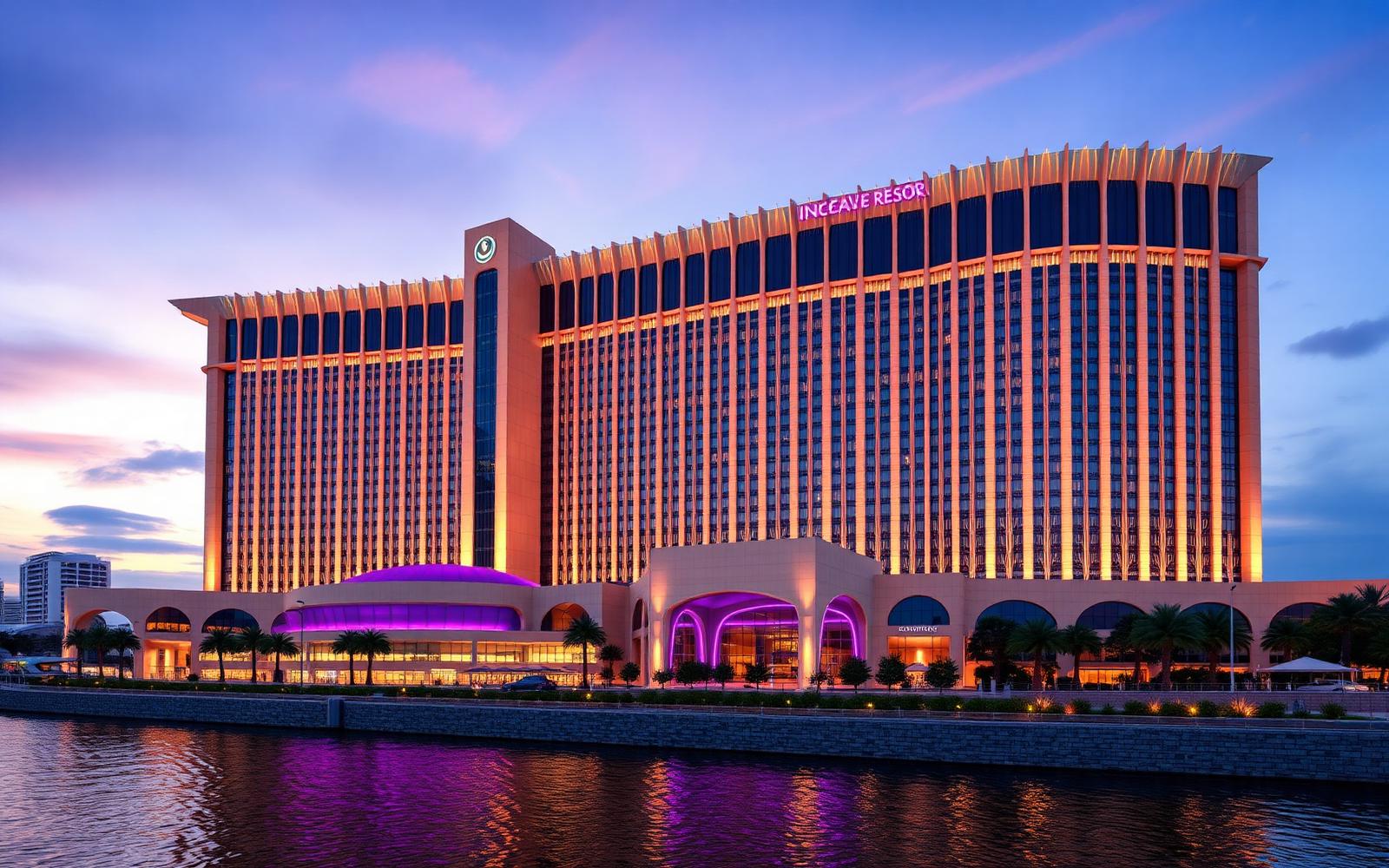
Integrated resorts are energy-dense buildings. Continuous operation, large conditioned volumes, heavy kitchen loads and a floor of always-on electronic equipment produce a demand profile closer to a hospital than a hotel.
The current wave of projects treats this as an engineering problem rather than a marketing one, with all-electric services strategies, heat recovery between kitchen and hot water systems, and staged plant that can run efficiently at partial load.
The photogenic part of a sustainable resort is the shading. The consequential part is the chiller plant.
Measured, not modelled
The significant shift is verification. Design-stage modelling is increasingly supplemented by measured performance reporting after occupation, with sub-metering by department.
That reporting has uncomfortable implications: gaming floor equipment load is often the second-largest line after air conditioning, which puts equipment procurement inside the sustainability conversation.
Materials and reuse
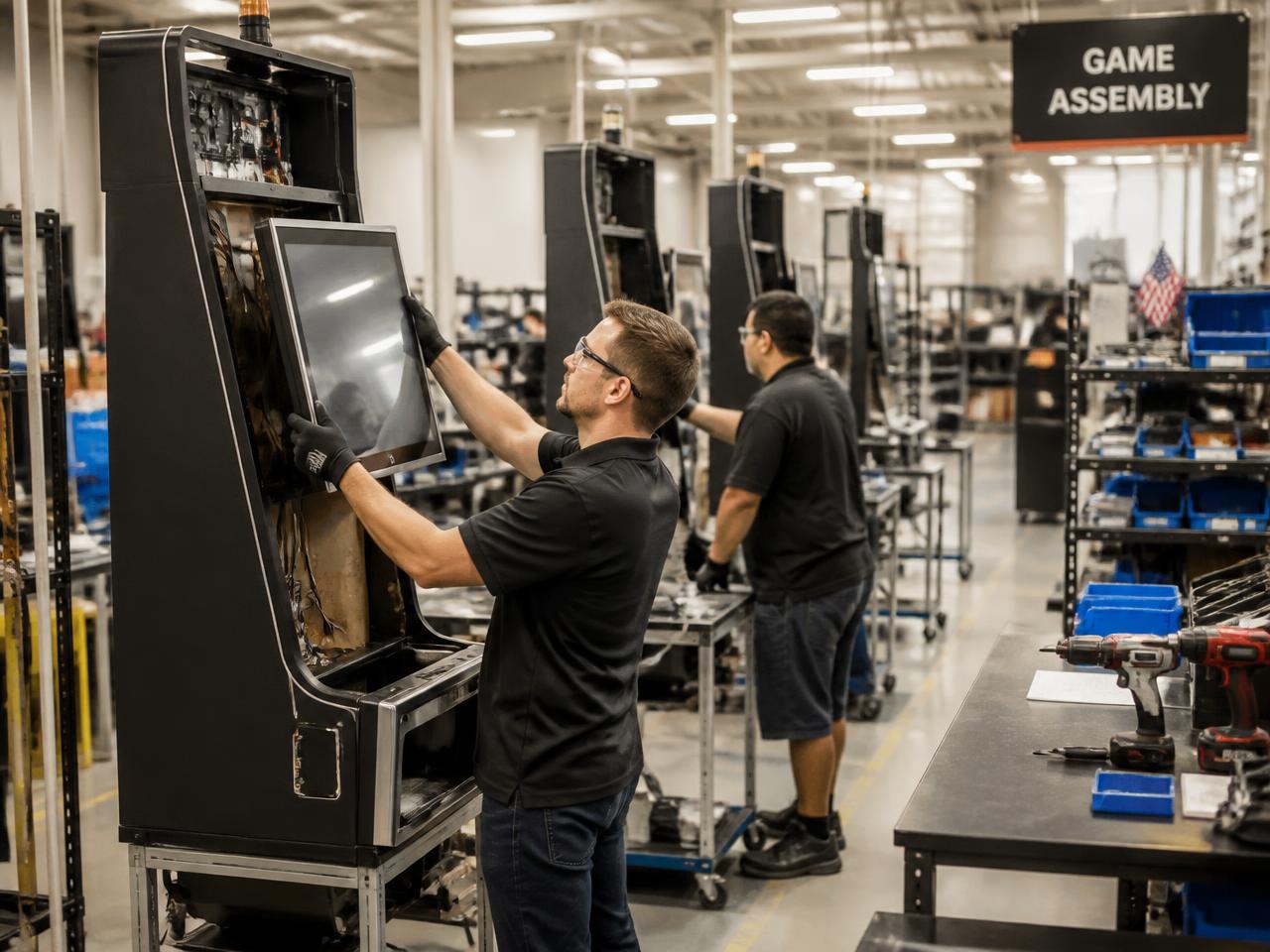
Refurbishment projects have become the more interesting sustainability story. Retaining structure, reusing pit furniture carcasses and refinishing tables avoids embodied carbon that no operational efficiency can recover.
Several manufacturers now offer formal refurbishment and take-back programmes, partly in response to procurement requirements from large operators.