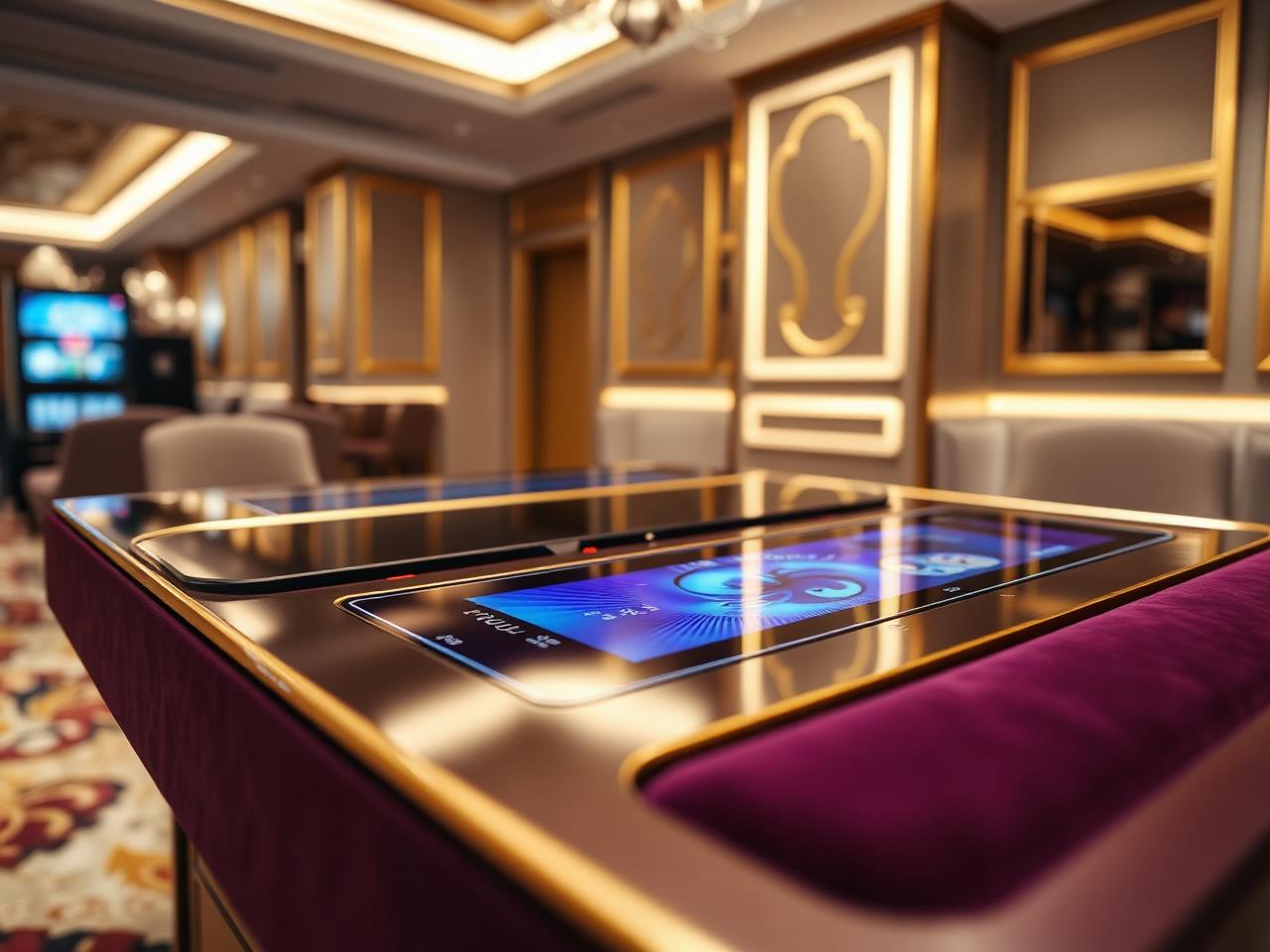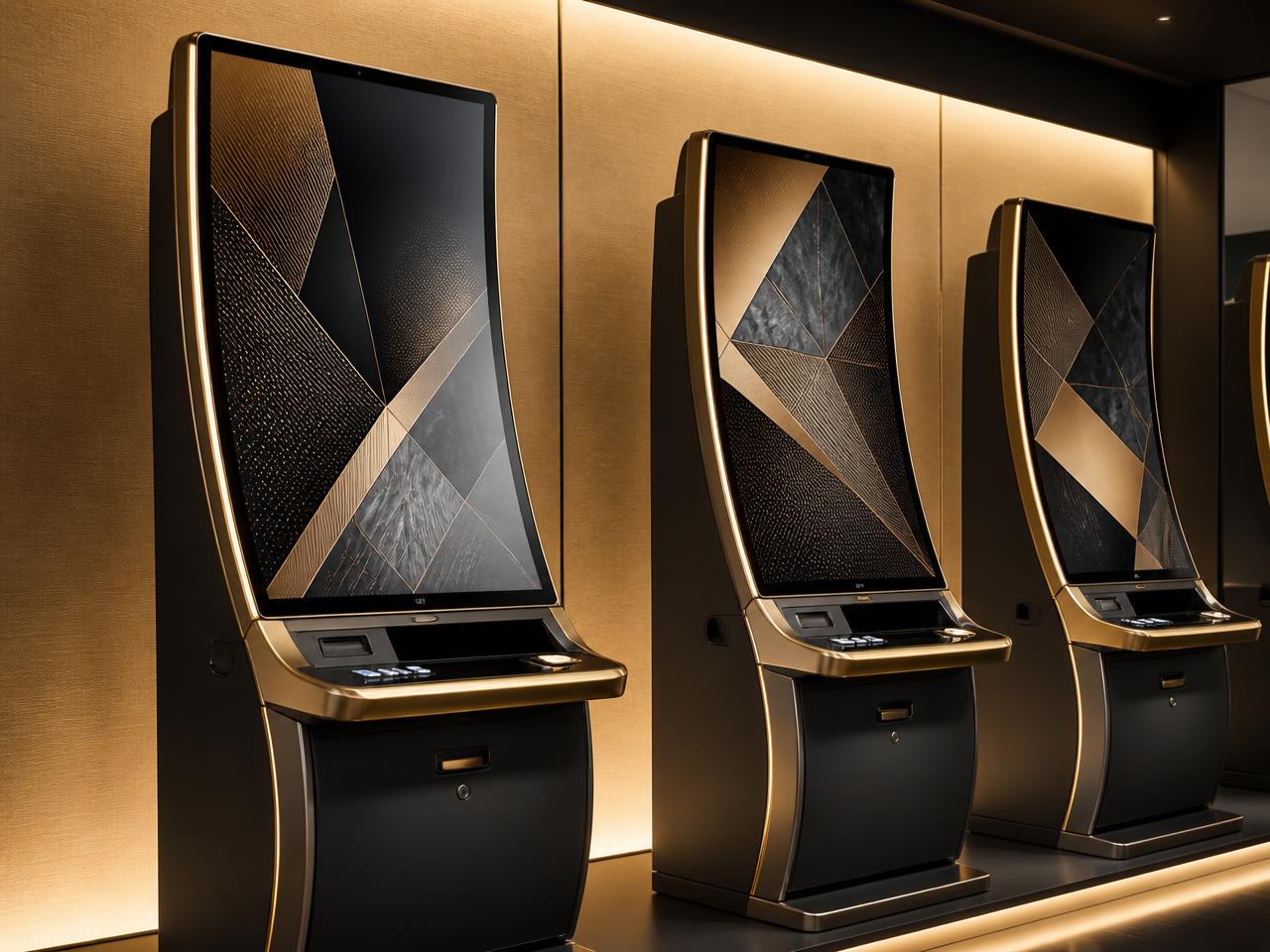
The escalation in cabinet display size has slowed. Curved portrait screens remain the dominant format, but the surrounding hardware has become quieter - matte housings, restrained trim, and attract modes designed to be looked past rather than at.
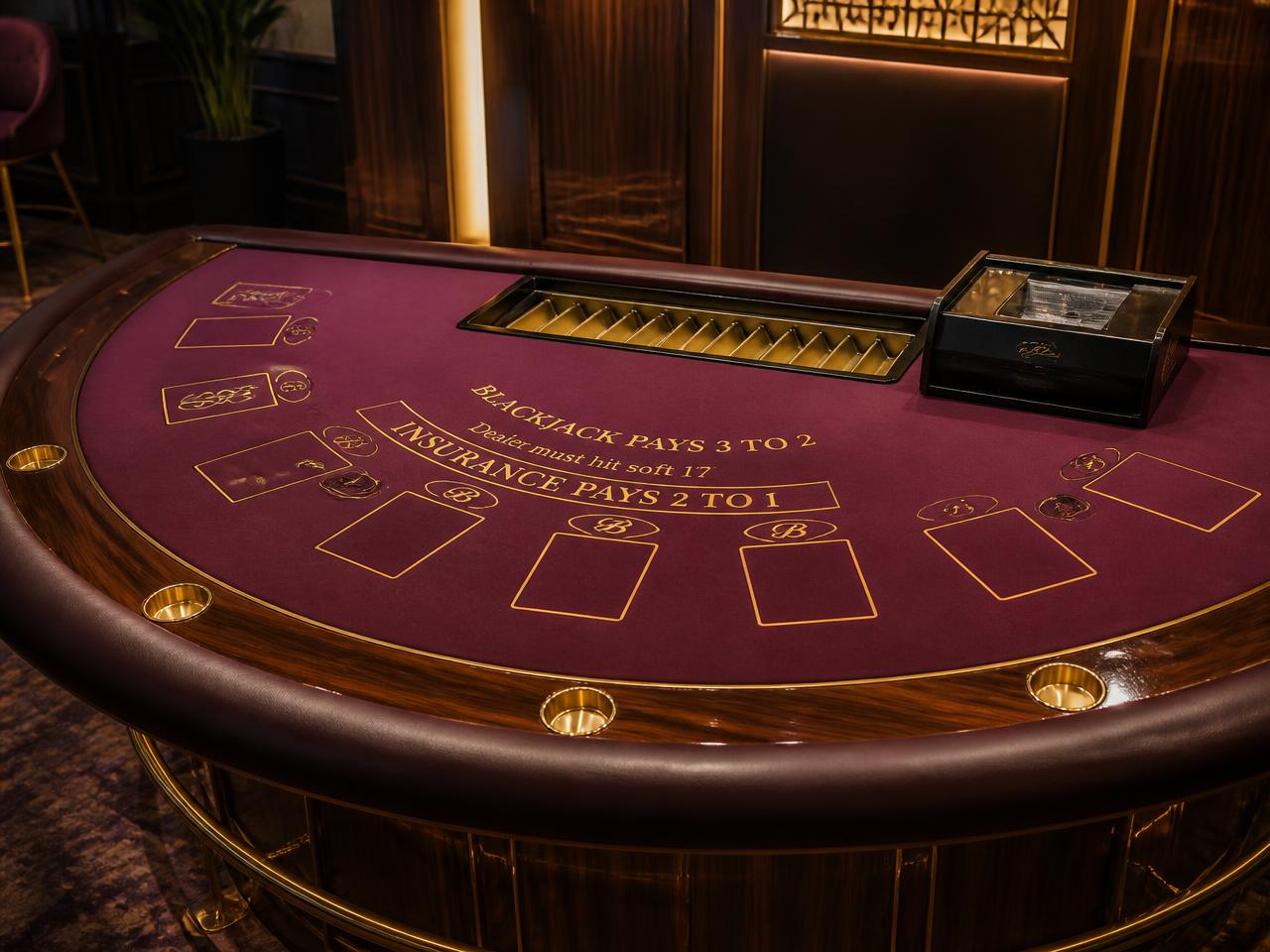
The driver is interior design. As venues invest in coherent architectural schemes, a bank of high-gloss cabinets with independent light shows undermines the room.
Operators started asking what the machine looks like when nobody is playing it. That question changed the industrial design brief.
Specifying for the room
Manufacturers now offer trim and finish programmes in the way furniture suppliers do: a base cabinet with selectable metal finishes, side panels and base plinths matched to the venue palette.
Some operators are specifying reduced-brightness attract states after midnight, coordinated with the venue's lighting control system.
Serviceability returns
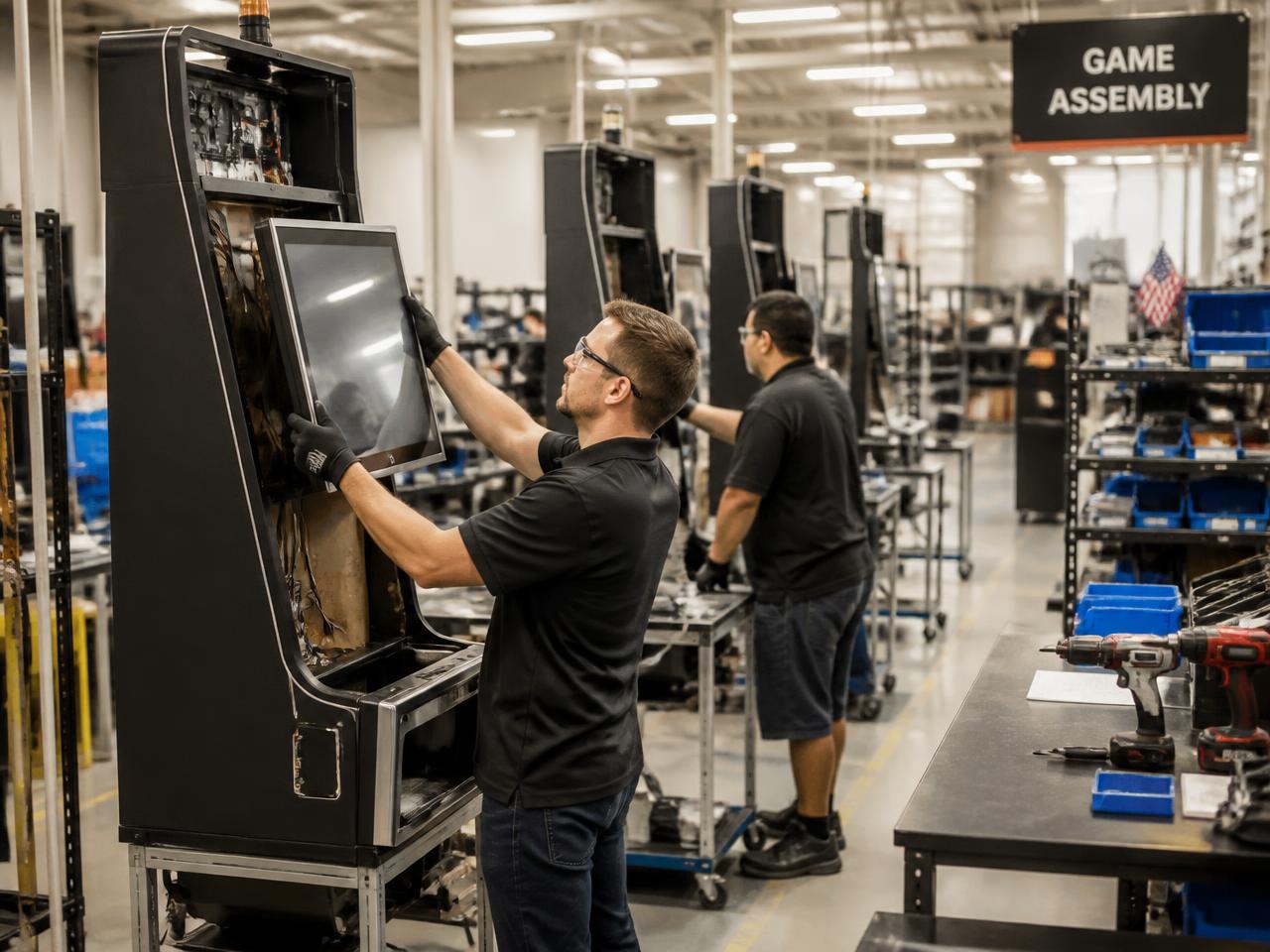
Front-access service doors, tool-free display removal and standardised power modules have re-emerged as purchasing criteria after a period in which they were traded away for thinner profiles.
Energy draw is now routinely requested at tender. Large panels, continuous operation and a floor of several hundred machines make the number material.