For years, the operational stack on a casino floor accumulated by acquisition. A slot monitoring system here, a table tracking module there, a maintenance ticketing tool bought separately, and a rostering platform shared with the hotel.
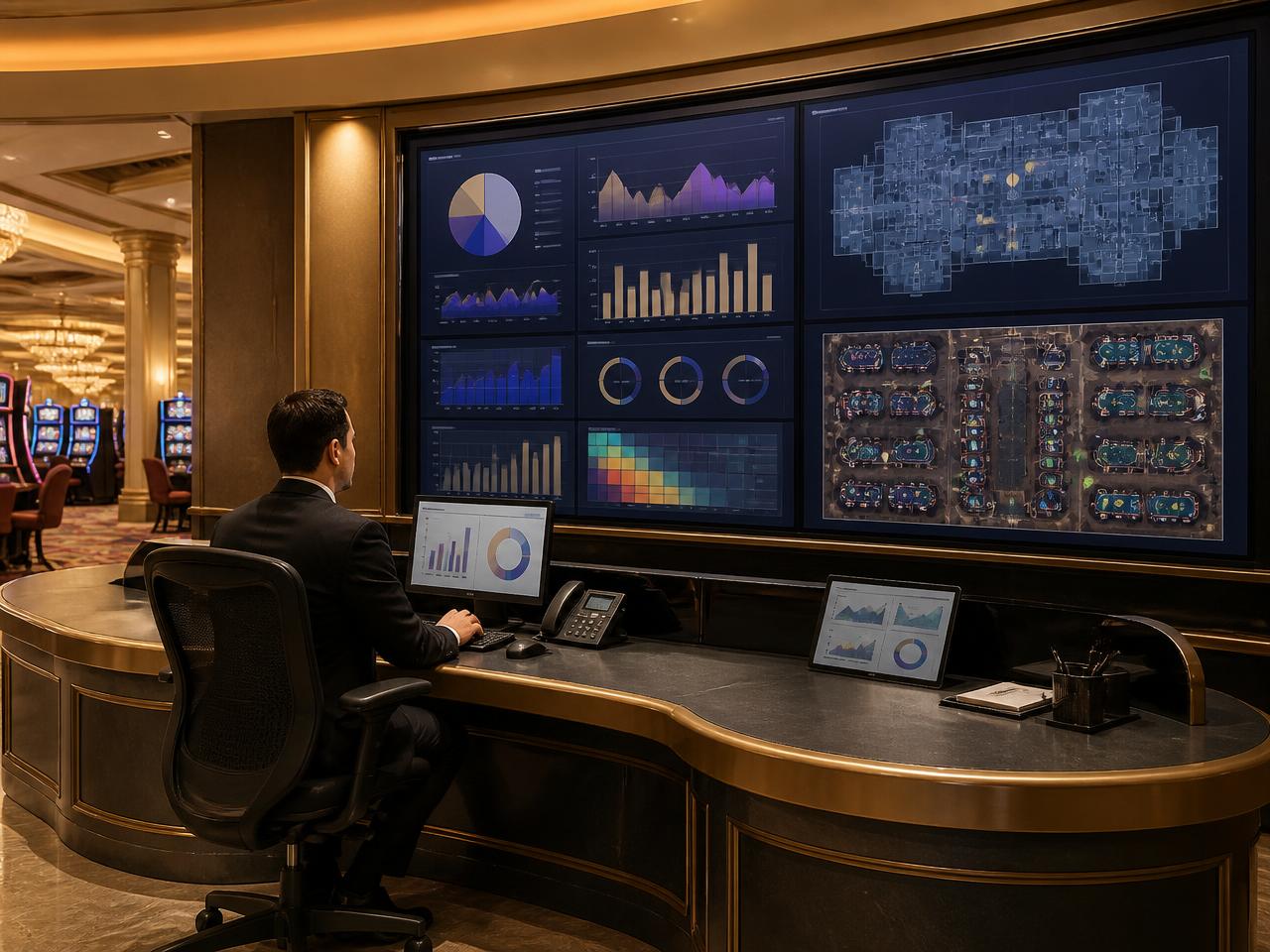
The consolidation now under way is less about new capability than about collapsing that stack into a single operational view with role-based depth.
Every additional login is a delay measured in guest patience, not in seconds.
Design for the night shift
The most successful implementations were designed around the night duty manager: a floor map, an exception list, and a short set of actions that can be completed one-handed on a tablet.
Reporting depth has moved to the back office, where it belongs. Operational screens have been stripped back to what changes decisions in the next ten minutes.
Integration reality
Integration remains the hard commercial question. Legacy machine protocols, proprietary table systems and the venue's own data warehouse rarely align without a middleware layer.
Buyers have grown more sceptical of platform promises and more interested in documented interfaces, exit terms and data portability.