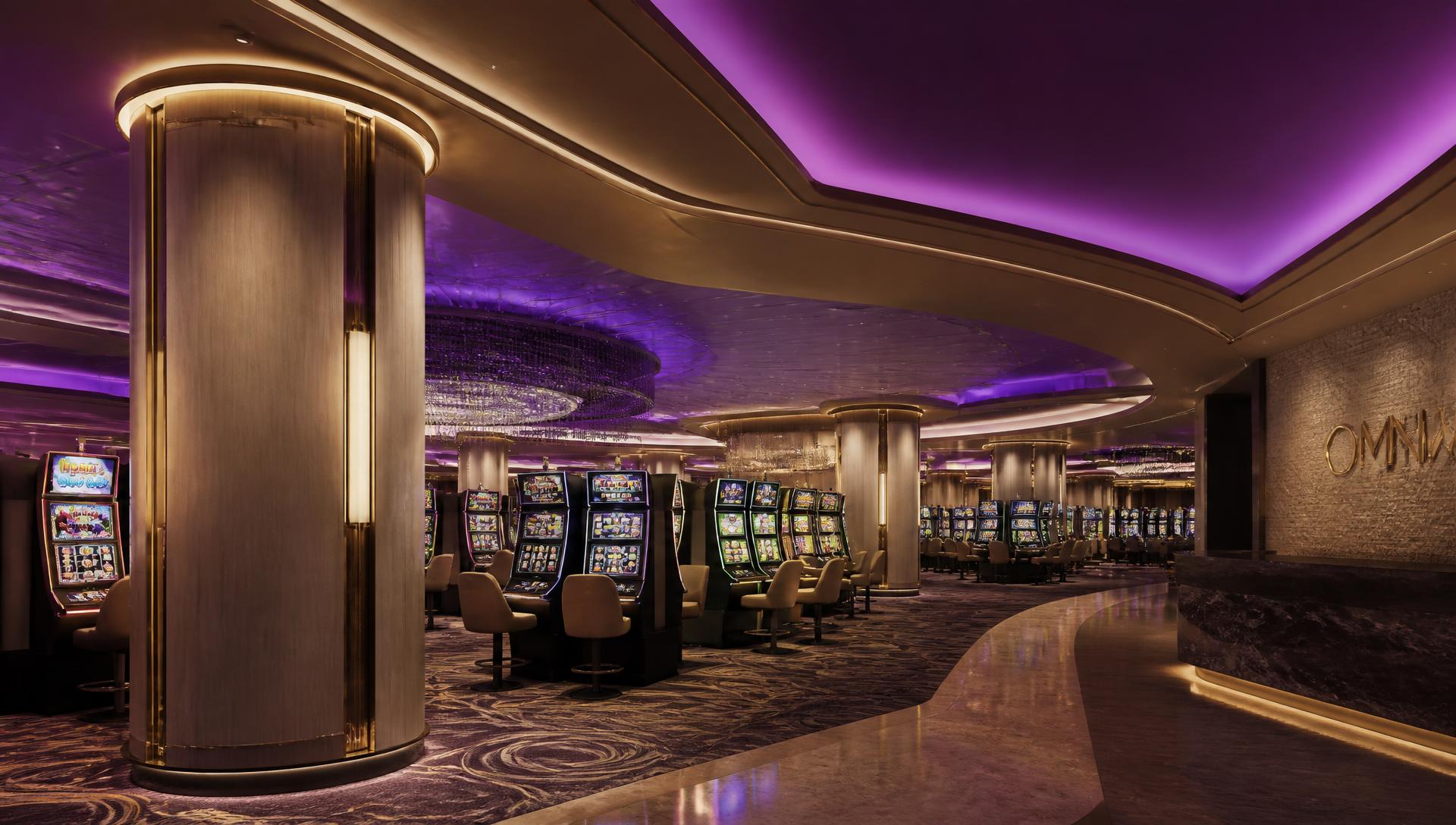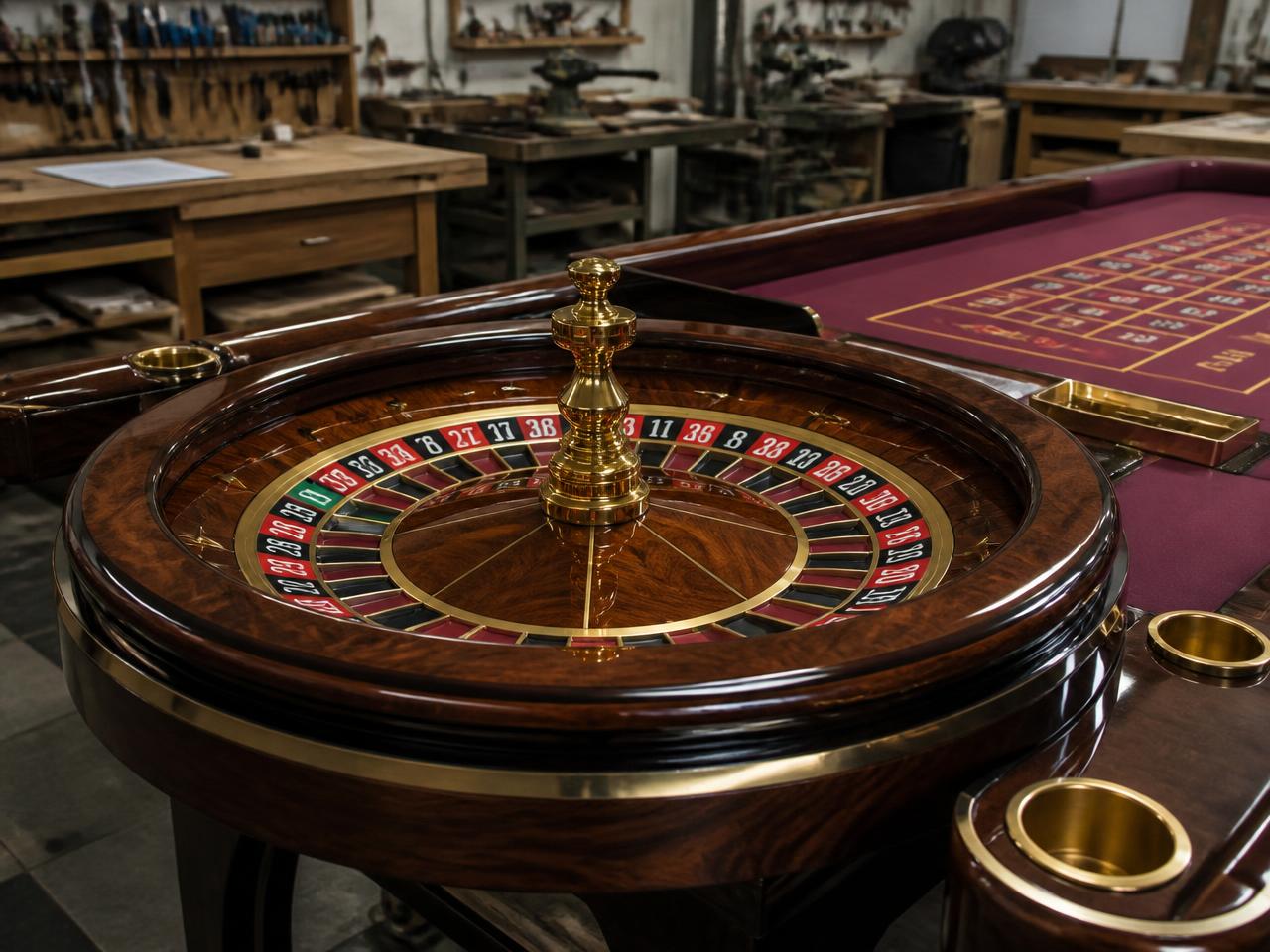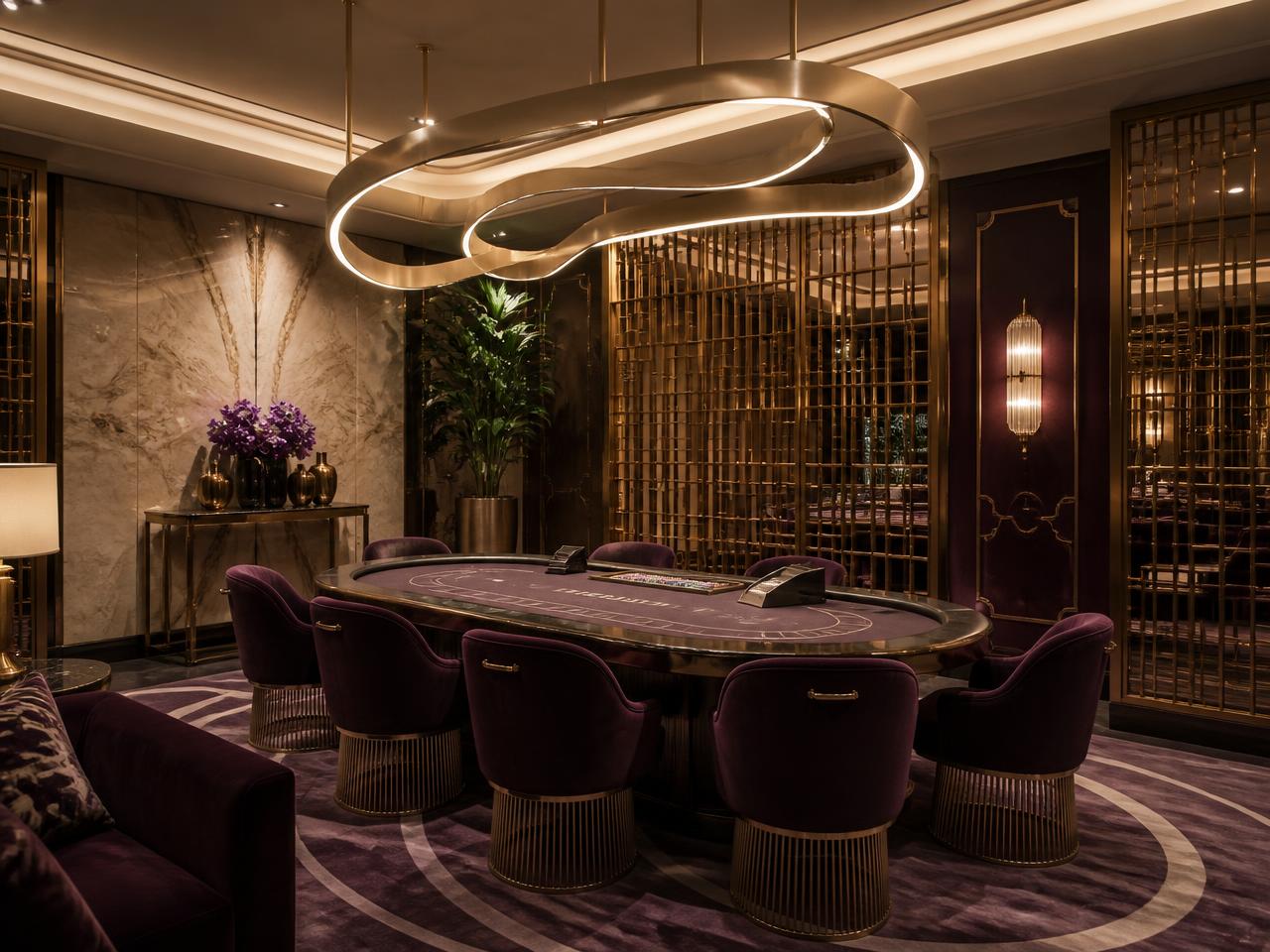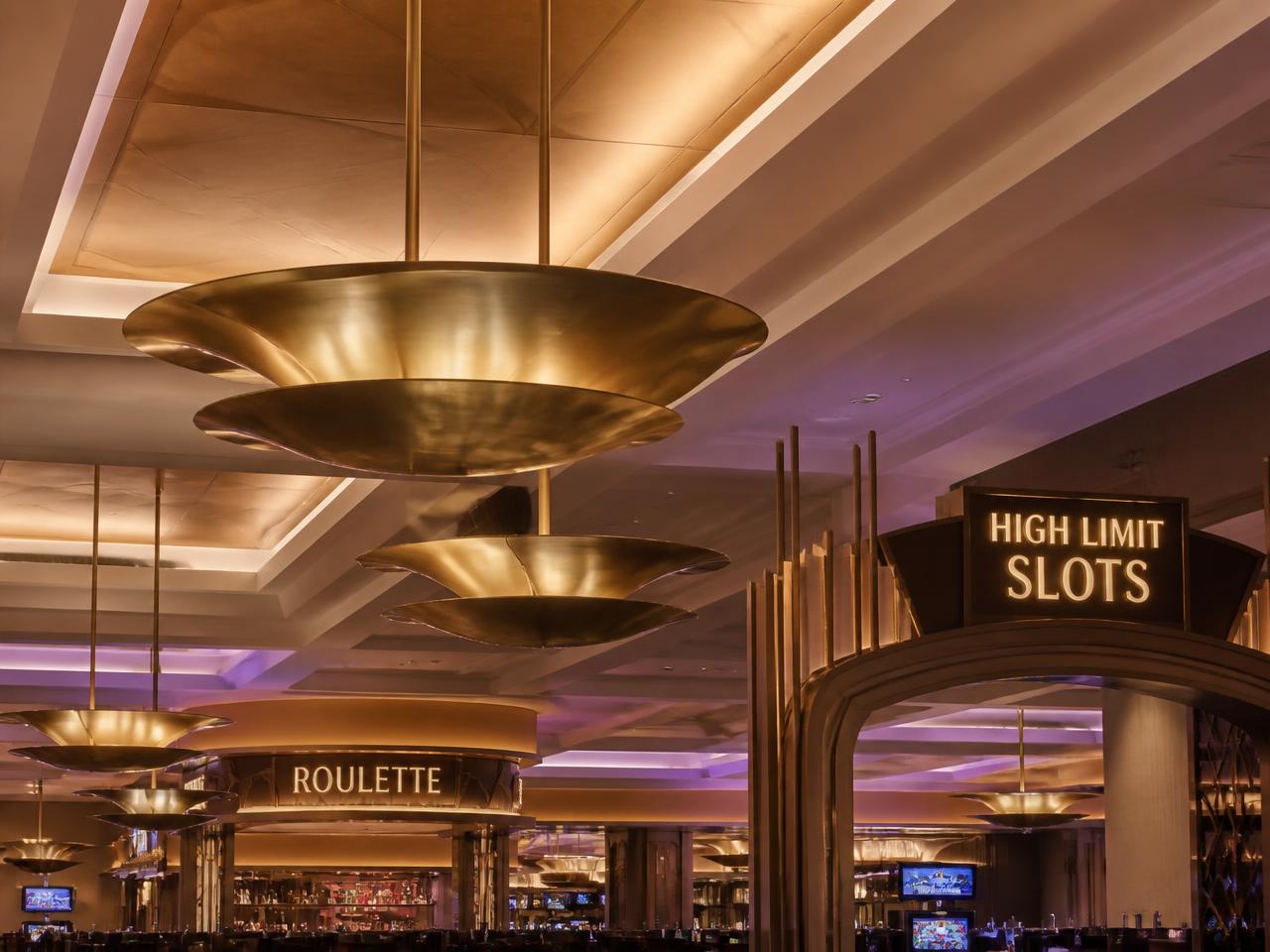
Lighting on a gaming floor answers to at least three masters: the interior designer who wants atmosphere, the surveillance team who needs usable image quality, and the operations team who need staff to read documents and faces.
These requirements are not naturally compatible. Low ambient levels flatter an interior and frustrate a camera; high uniform light satisfies surveillance and makes a room feel institutional.
Three departments write the lighting brief and only one of them signs it.
Resolving the conflict
The current approach layers the solution. Architectural light sets the mood at low level, task light lifts the specific planes that matter - table felt, cage counters, service stations - and camera positions are chosen to work with that layering rather than against it.
Colour temperature discipline matters more than lux. A floor that drifts between 2700K and 4000K across precincts looks unresolved on camera and in person.
Control and energy
Addressable control has made scene-based operation practical: a bright cleaning scene overnight, a warmer evening scene, and a reduced-load state during quiet hours.
Energy performance has become a reporting obligation in several markets, which has accelerated the replacement of legacy fittings faster than aesthetics alone would have.